A Soul Lost in a Faraway Jungle – Part 2


It is believed I occupy a potentially unique position when it comes to looking at history as it pertains to the Pacific Theater in World War II.  I am American first and foremost and have studied WWII history out of curiosity.  As expressed in the description of my blog, my viewpoint is from “one war, two countries, one family”.  However, one potential uniqueness is that I am able to read a bit of Japanese; you may be amazed to read what is written about WWII from the Japanese viewpoint of history. As such, I believe each battle will have in the background two broad, driving and dissimilar viewpoints: one from America and one from Japan.  The attack on Pearl Harbor is one example. But that is but the surface on war’s history – a high altitude view.  One that can be easily manipulated politically. But being on the ground dealing in face to face combat – or interrogation – leaves little to interpretation.  However, the fog of time challenges what is seen in a veteran’s mind.

Many of us here in the US interested in this world-wide cataclysm believe the Japanese soldier was a fanatic… freely willing to give his life for the Emperor.  The banzai charges.  The kamikaze attacks.  Individual soldiers throwing themselves under tanks with an explosive charge strapped onto their backs in a suicide attack. The truth of the matter is… they were farm boys.  City boys.  Just like our boys, they were drafted.  Instead of dying in “banzai attacks”, these “fanatical” Japanese soldiers wanted to go home just like our boys…but they couldn’t for fear of reprisal against their families.  Being a buck private in the Japanese army was brutal.  Perhaps not as brutal as the treatment they gave POWs but brutal nonetheless.  My Uncle warned his brother-in-law of that brutality in his farewell letter written on May 3, 1944.

A Look Into Imperial Japanese Army Morale

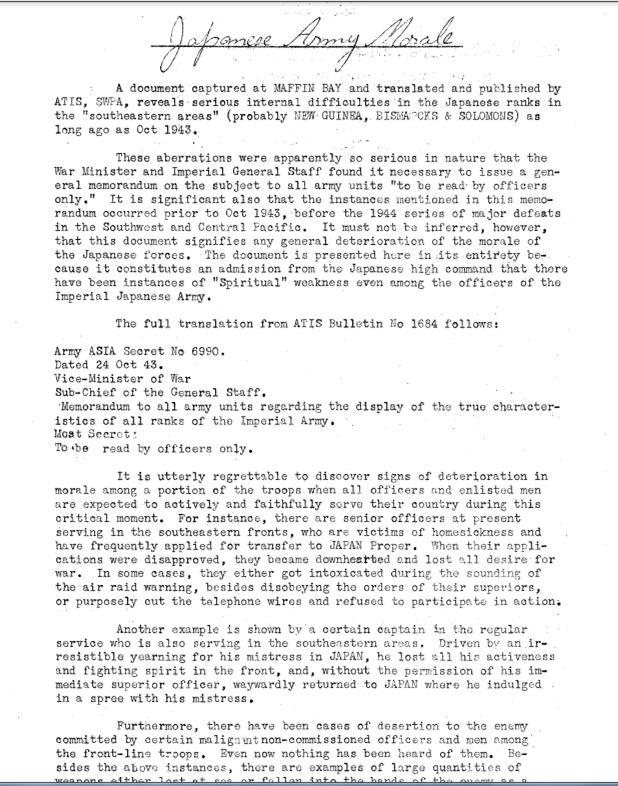
Indeed, as early as 1943, morale amongst the Japanese soldiers was very poor per this US Army G-2 intelligence report:
Morale
Excerpt from “Intelligence Bulletin, G-2 USAFPOA, Feb 1945”. The translation was performed by a Nisei in the Military Intelligence Service.  The captured Japanese document was dated October 24, 1943.

So perhaps things are not what they seem? I wonder how my Uncle Suetaro felt.

_________________________________

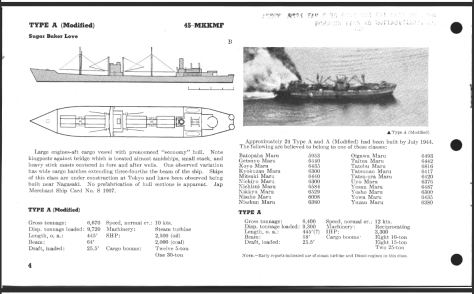
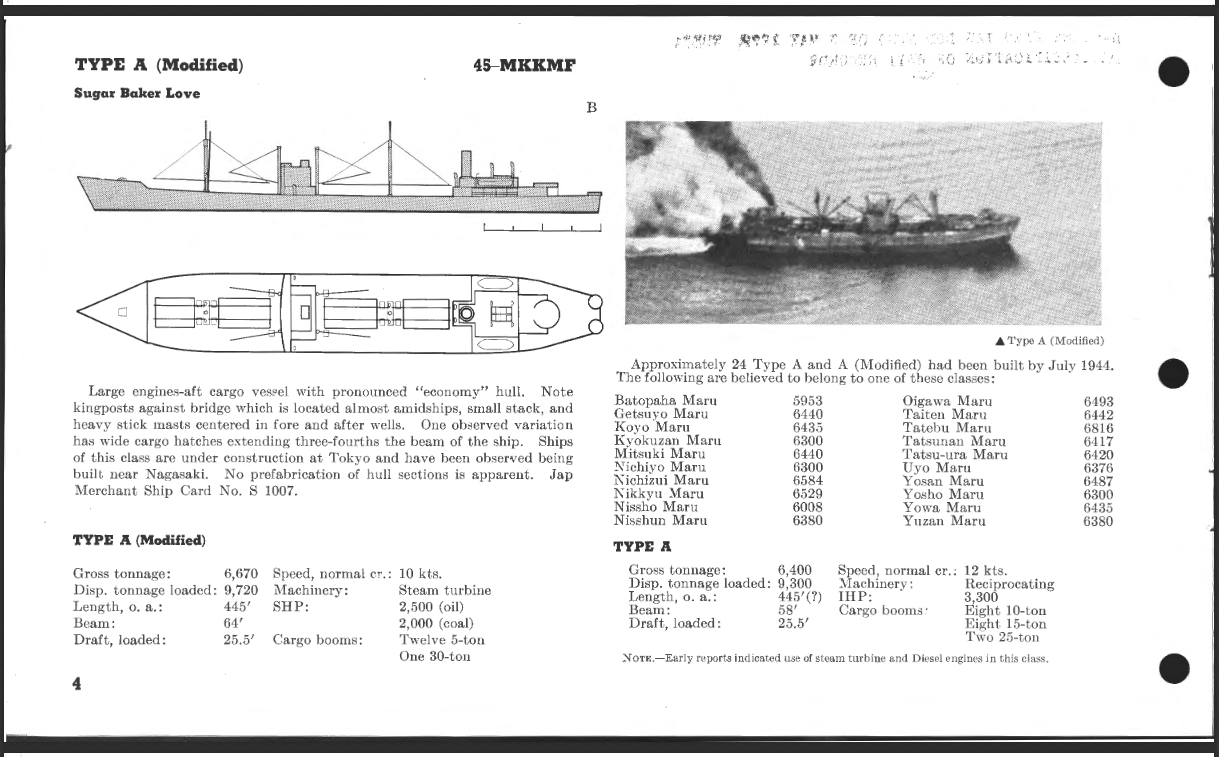
The 41st Regiment, and therefore Uncle Suetaro, was stationed in Pyongyang, Korea in May, 1944 per Mr. Ota’s book.  It had become absorbed by the Imperial Japanese Army’s 30th Division. After sunset on May 8, 1944, the 41st Regiment boarded a steam locomotive bound for Pusan.  After one day’s ride, they arrived in Pusan on May 9 at 4:00 PM. All 5,000 troops soon began to cram onto a ship called the 日昌丸 (Nissho Maru) with a capacity of 3,000 troops…  in addition to supplies and their backpacks.  American intelligence reports indicate temperatures could rise to 120F within the holds.
oni ships1
oni ships2 The Nissho Maru is listed in this WWII era Division of Naval Intelligence report.

Per Mr. Ota’s reconstruction, the Nissho Maru departed Pusan on May 10 as part of a Imperial Japanese Navy fleet convoy. At about 3 PM the next day, the convoy docked in Moji Port in Kyushu, Japan to take on more supplies and hook up with other transports.  During this time, their destination was disclosed: Mindanao.  I am sure thoughts of seeing his mother was enveloping his mind…and heart.

Hiroshima was not far away. In the early dawn hours of May 13, the convoy – now consisting of eleven transports and four destroyer escorts, departed Moji Port.  They were vigilant against US submarines and proceeded at best possible speed.  They docked at Manila during the evening of the 18th.  The troops were already plagued with severe cases of sweat rash.

Soon, the 1st and 2nd Battalions on board the Nissho Maru headed to Cagayan with the 3rd Battalion and headquarters staff headed to Surigao on board the Tamatsu Maru.  Because they were splitting up and therefore would be separated from their regimental colors, the commanding officers boarded the Nissho Maru on the 19th as a send off.  They reached their destinations on the 23rd.  Soon, they were engaging Filipino guerrillas and they were extracting their toll on Uncle Suetaro’s regiment.  Per Mr. Ota, Captain Okamoto, a combat veteran from New Guinea was killed.  On July 10, Captain Ozaki, commanding officer of the 2nd Batallion, was also killed.  Short on officers, Captain Masaoka was appointed commanding officer of the remaining troops, numbering about 1,000.

October 20, 1944 – Invasion of Leyte

By the time of the invasion, General Yamashita had more than 400,000 soldiers stationed about the Philippines.  My Uncle Suetaro’s division, the 30th Division, was stationed on Mindanao to the south.  Yamashita had access to close to 900 planes, about 100 airfields (the largest of which was Tacloban on Leyte), and a naval fleet spearheaded by four carriers and seven battleships.  (However, this paled in comparison to the naval and air forces of the US. For instance, by the time of the Battle of Leyte Gulf, the US had 34 carriers at their disposal.) The invasion of Leyte was preceded by the US 6th Ranger Battalion taking three smaller islands to the east of Leyte Gulf on October 17, 1944. The weather was perfect and all hell broke lose on October 20, 1944 (A-Day) when MacArthur unleashed the Sixth Army’s X Corps, XXIV Corps and the 21st Infantry Regiment in three different assaults on three eastward facing beaches (see below):
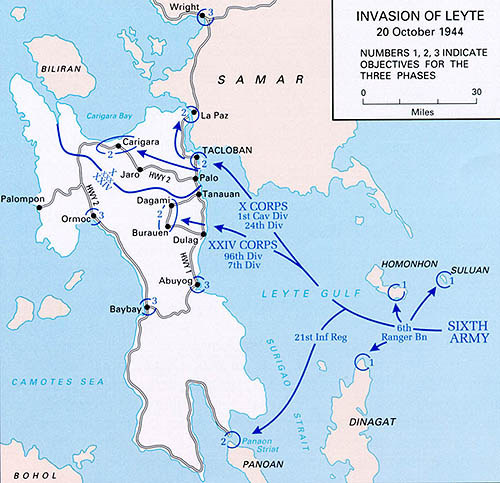
invasion file
From “Leyte”, US Army publication.

General Yamashita was caught flat-footed.  He had anticipated MacArthur would invade Luzon first.  He had to scramble.  In fact, the invasion’s advance was so rapid that MacArthur made his walk onto the Leyte beach a “Hollywood-esque” event on the first day.  Yes, he actually had several takes done of wading ashore being the media seeker he was but it is true there was gunfire off in the distance. Fortunately for our troops, the Japanese had withdrawn her troops from shoreline defensive posts.  Even though there had been up to four hours of bombardment by the USN of the shore defenses, many fortifications – including pillboxes – were untouched per an A-Day communication to General Hap Arnold of the USAAF from General Kenney.  He concluded there would have been a blood bath similar to Tarawa if the Japanese hadn’t withdrawn.
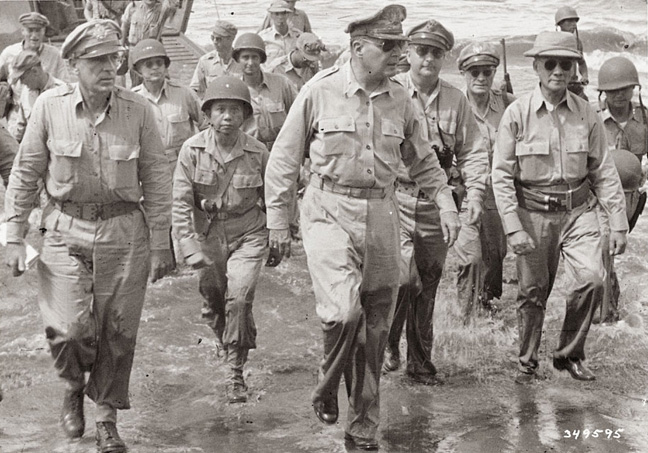
wading
MacArthur pompously wading ashore on Leyte on October 20, 1944. He would shortly broadcast that speech where he says, “I have returned.” National Archive photo.

The first major coordinated Japanese Army troop movements (i.e., reinforcements) to Leyte involved troop transports, joined by units of Cruiser Division 16 out of Manila.  The objective was to transport about 2,550 soldiers (count per Mr. Ota) of the 41st Regiment from Cagayan, on Mindanao, to Ormoc.  Named Convoy TA 1 by the USN, it included heavy cruiser Aoba, light cruiser Kinu, Uranami, three new T.1-class transports (T.6, T.9, and T.10), and two new T.101-class transports, (T.101 and T.102). They were to be led by Rear Admiral Sakonju Naomasa in the Aoba but she had been torpedoed two days earlier by the USS Bream.  The flag had been transferred to Kinu. This convoy picked up the surviving 1st and 2nd Battalion members of the 30th Division at Cagayan, Mindanao on October 25th and arrived at Ormoc.  Fortunately, the Division had been alerted the day before so they were ready.  Uncle Suetaro had apparently been in the the 3rd Echelon, 1st wave of five transports that disembarked on the 26th in Ormoc.
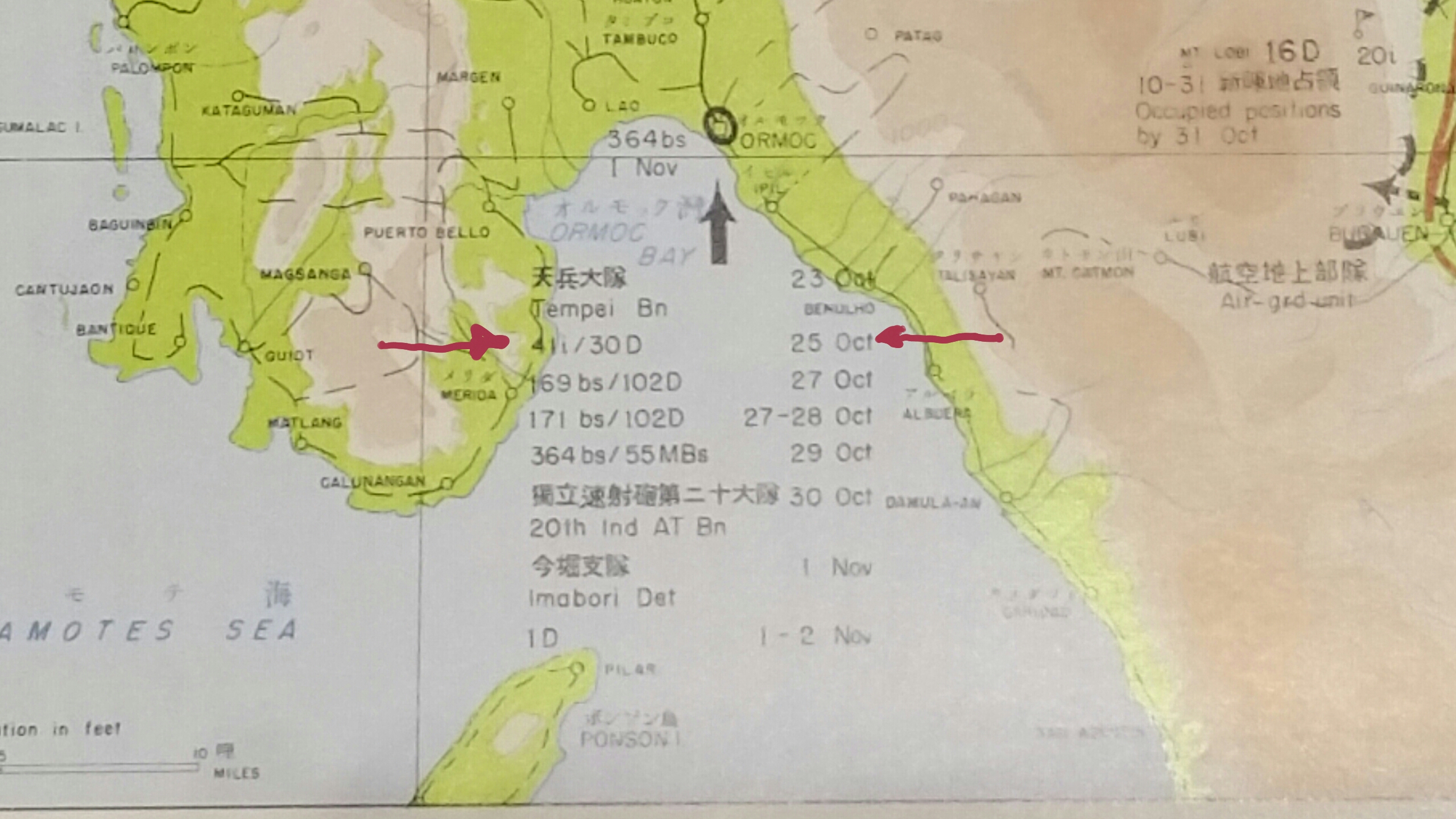
16291457788_4267db9b81_o
Source: Reports of General MacArthur.

Per Mr. Ota and under the command of Lt. General Shiro Makino, Uncle Suetaro’s 41st Regiment headed towards Tacloban.  He could not have foreseen what was ahead of him: swamps, jungle, mud, illness, starvation…and the US Sixth Army. …and most poignantly, up against my dad’s US 8th Army’s Nisei’s in the Military Intelligence Service. To be continued in Part 3. (Note: The Battle of Leyte Gulf took place from October 23 to 26, 1944.  The immense Japanese battleship Yamato was reportedly only a few hours from Ormoc Bay when she inexplicably turned back during this epic sea battle.)

Part 1 is HERE.

Part 3 is HERE.

Part 4 is HERE.

Part 5 is HERE.

Epilogue is HERE.

A Soul Lost in a Faraway Jungle – Part 1


e smith
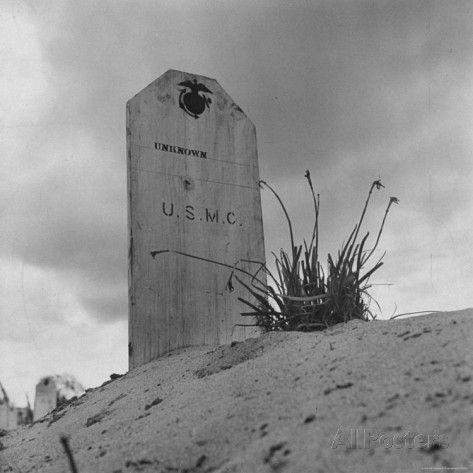
Photo by Eugene Smith, USMC

A mother during World War II could suffer no greater anguish than receiving a telegram that her son was not killed but rather, deemed missing in action.

One irony rests with the fact we were the victors in World War II.  While certainly not in all instances, we have a large percentage of intact battle records – and survivors – to help identify (or locate) remains largely because we were victors.

For us here in the US, roughly 420,000 are deemed as killed in action during World War II.  However, at one time, there were roughly 80,000 classified as missing in action.  There is a second irony here.  As seen in the solemn photograph above, parts of a vibrant yet unidentifiable son were brought to this battlefield cemetery for burial.  In other words, we have his remains; his name, however, is not on the grave marker.  His name is on the list of those missing in action.

The most horrible anguish for a mother, in my opinion, is knowing he could not be found or not knowing where or how he met his end.  Her son physically will be forever alone where he perished, never to be seen again… to be taken back over time into the earth from whence he came.

__________________________________

Absence of Records

Japan was at the losing end of the war (as was Nazi Germany).  Japan’s major cities were obliterated as were her paper records unless underground or well protected against fire.  To further exacerbate the bleakness of this situation, most combat notes or reports written by Japanese officers at a front never made it back to Japan for the most part, especially if the unit was disseminated.  Further, as a unit became closer to annihilation, Japanese army headquarters would lose all contact.

On the other hand, many of these written reports made it into US hands and used as intelligence against the Japanese themselves; US Army soldiers were under orders to retrieve all such material.  Such documents were taken from those who surrendered or from overrun positions.  The most gruesome was having to remove it from a dead soldier – or what was left of him.

The end result was Japanese headquarters more often than not knew little or nothing of what happened to individual soldiers or sailors – especially when it came to NCOs, or Non-Commissioned Officers.

dog tag
Actual American WWII dog tag recently recovered. From “http://www.powmiaawareness.org”

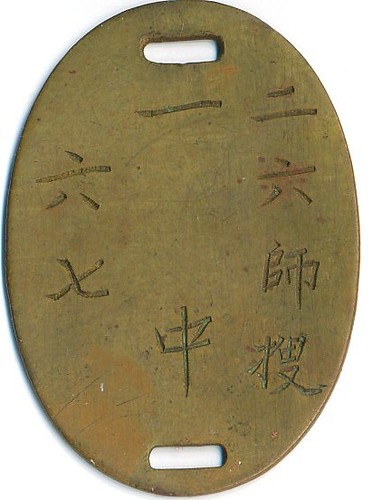
American military wore dog tags (a set of two) towards war’s end, complete with name, home town and serial number to help with identification.  Japanese NCOs – like my Uncle Suetaro – also wore “ID tags”, called 認識票 (Ninshikihyo).

WWII Luzon Captured Japanese Artifact

Unlike the machine stamped American tags, all of the Japanese tags were stamped by hand with a small chisel and hammer.  Most of all, these NCO tags generally only had their assigned regiment number, possibly a unit number and a serial number.  No name.

Their fates disappeared with the deaths of their units.

_____________________________________

Uncle Suetaro is on the high with Dad standing next to him. They are in front of my grandparent's barber on King St and Maynard in Seattle. Circa 1921. The shop was inside Hotel Fujii (no longer standing).
Uncle Suetaro is on the high chair with Dad standing next to him. They are in front of my grandparent’s barbershop on King St and Maynard in Seattle. Circa 1923. The shop was inside Hotel Fujii (no longer standing).

The Discoveries

The void of not knowing how or exactly where my Uncle Suetaro was killed has plagued me for five years now.  Yes, I was unaware that dad had a younger brother let alone killed as a Japanese soldier until then.

My Hiroshima cousins, Masako, Kiyoshi, Toshiro and Masako’s daughter Izumi, believed Uncle Suetaro met his end near a village called Villaba on Leyte, thirty days before war’s end on July 15, 1945.  This was essentially based on word of mouth.  Any other information had been lost in the seven decades since his tragic death.  (I believe my father knew more specifics about his death having heard it directly from my grandmother and his older sister, Michie, in 1947.  He refuses to talk about it.)

However, in November last year, we renewed interest in a link we found on a Japanese website.  Izumi took the initiative and pursued it.  It led to an actual memorial association started by the approximately 20 survivors of my Uncle’s unit, the 41st Regiment.

Long story short, it turns out there is one man, Mr. Yusuke Ota, who had also taken a huge interest in the Hiroshima-based 41st Regiment.  He was just about to publish a book on the regiment when Izumi made contact with him, with well over 500 pages of data and history he’s uncovered .

41st
Mr. Ota’s book, “The Eternal 41st”.

In addition to buying our family ten copies of his book (in vertically written Japanese, unfortunately), Izumi began a dialogue with the author, Mr. Ota.  Mr. Ota was gracious enough to share his thoughts on our Uncle Suetaro based upon our vintage photos.

The Weapon

After viewing the photos and in his opinion, Uncle Suetaro was part of an anti-tank gun squad manning a Type 94 37mm anti-tank gun based on a German design.  In the early part of our war with Japan, the 37mm was deadly against our antiquated Stuart and early Sherman tank models.

A partially restored Type 94 37mm anti-tank gun.  It was already obsolete by the time the US entered the war.  From http://www.tomboy205.cocolog-nifty.com

The photos below were taken in Japan and were scanned from my Hiroshima Grandmother Kono’s photo album.  I believe Uncle Suetaro gave them to her:

c-10-91a
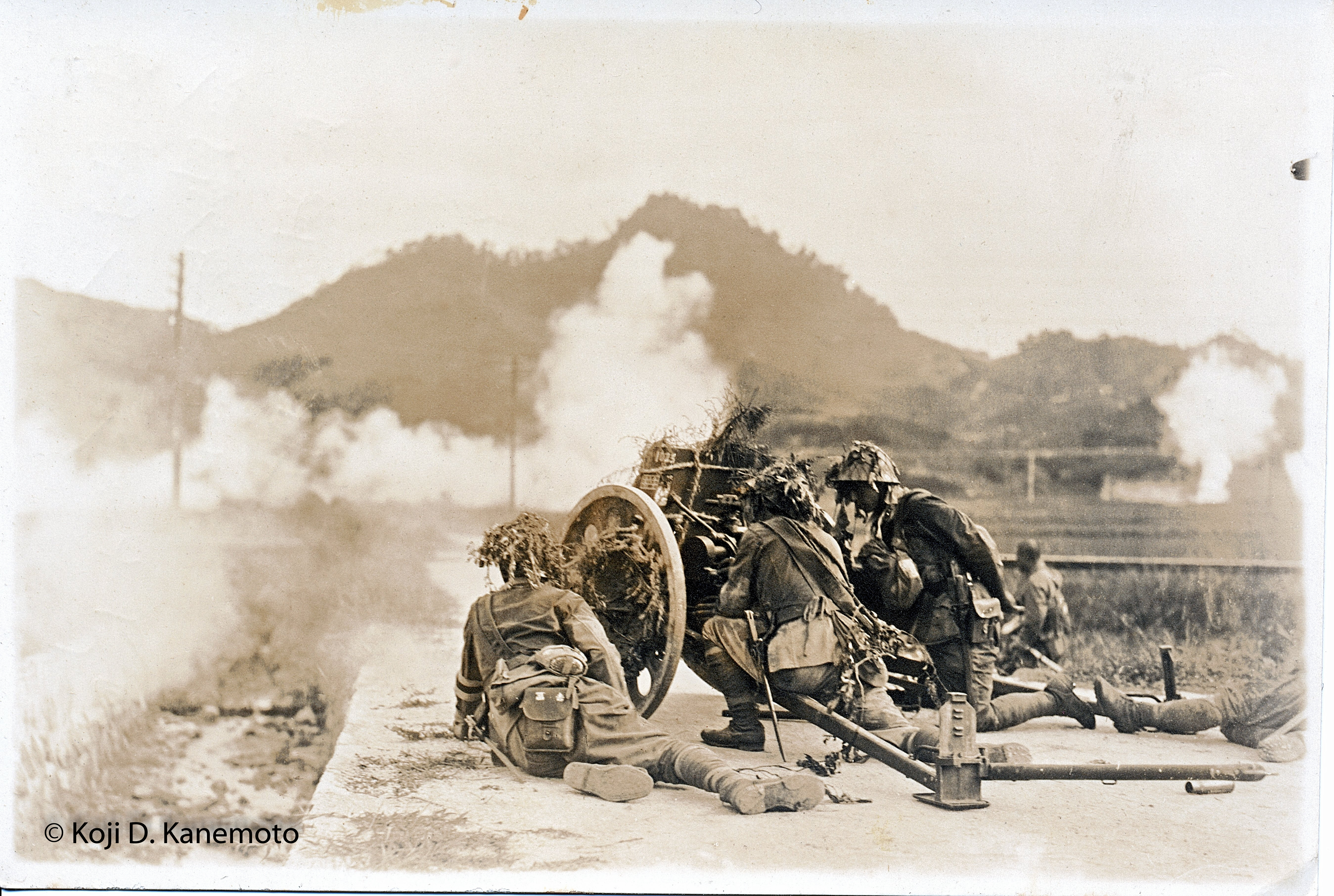
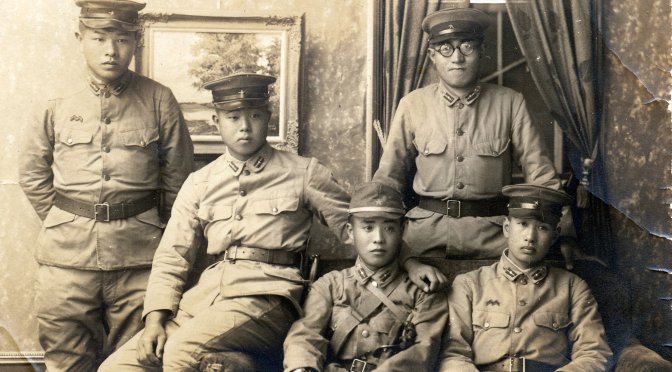
Our family assumes the soldiers pictured were from Uncle Suetaro’s 41st Regiment. A 37mm anti-tank gun is behind them. On the backside, Uncle wrote “石手川ニテ、昭和18六月二十三日”, or “taken at Ishite River, June 23, 1943”. Ishite River is in the current Ehime Prefecture of Japan.
c-10-90
On the back side, Uncle Suetaro wrote, “温泉郡浅海村” or “Onsengun Asanamimura” as the location for this training exercise in Japan. We cannot tell if he is pictured. It is now part of the Ehime Prefecture. Dated August 19, 1943.

The 37mm anti-tank gun was manned by eleven men and was equipped with either wooden or steel wheels.  It could be broken down into four main parts so that it could be hauled by four mules or carried if need be.  It weighed about 220 pounds.  But it is easier said than done – imagine you are in a hilly jungle during the monsoons or in a swamp… and you’re hungry, thirsty or even wounded.

It was low profile, a typical Japanese design, meant to be fired in combat while prone or squatting.  It had a straight sight and a well supplied and trained team could fire a round every two seconds.  They were deployed, if possible, in groups of four guns.

________________________________

Combat

We believe, through Mr. Ota’s book, that Uncle Suetaro’s 41st Regiment was stationed in Pyongyang, Korea in early May, 1944. (Edit: 2/7/2015)

By this time, Japan’s control over the Philippines had begun to deteriorate.  The Allies were knocking on their doorstep.  The Imperial Japanese Navy was to lose tremendous naval assets in the Battle of the Philippine Sea in just a few weeks.  Filipino guerrillas were also attacking Japanese infrastructure from within.  The Japanese military believed that General MacArthur would begin his attacks and assault Mindanao in short order.

In response to that conclusion, The Japanese army reorganized and placed the infamous General Tomoyuki Yamashita in charge of the newly restructured 14th Area Army.  My uncle’s unit, the 41st Regiment, was then attached to the 14th Area Army.

By the end of May, Uncle Suetaro and his 41st Regiment were on Leyte.

He was on his journey to his death.

To be continued in Part 2.  Please click here.

CPK’s Pesto Creme Penne Pasta


penne
Waited too long to take a picture – the kids were hungry.

For many months now, my two littlest ones have been asking me “to make” California Pizza Kitchen’s (CPK) Pesto Creme Penne Pasta.

Although I’ve seen my Little Cake Boss eat it a couple of times, I never really looked at it; besides, the dimly lit interior rivals that of the Pirates of the Caribbean ride at Disneyland.  So the first time I made it, it was not what they expected; it was just plain ol’ pesto…but they ate it.  They always eat what I make…when they like it.

For my Little Cake Boss’ 12th birthday earlier this month, I took her friends to CPK.  This time, I looked at it real good and had a sample.  Well, let me tell you – “Pesto” should not have been the first word in this dish’s culinary description. 🙂

IMG_9875 copy
The redness fades quickly… but why the city requires mulch for cactus and succulents is beyond reason. My back and knees wondered why, too.

Red Spike Succulent

Well, in between the birthday and the pasta, there was:

  1. Changing out my green lawn to a drought-tolerant yard (above),
  2. Trying to write a novel while investigating new facts about my Uncle Suetaro’s death in the Philippines in 1945,
  3. A paranoid aunt freaking out (big time) about a new cell phone she asked for,
  4. Big Bear Lake, and,
  5. A really messed up oil change at Walmart (which they promptly took care of),

but I dared to try this dish again.

I did start out with my pesto but for this attempt, I just cut down the amounts and used my Cuisinart Mini Coffee Grinder to process it.

The base was a variant of my Alfredo sauce:

  • Some olive oil
  • One garlic clove, pressed
  • Maybe a 1/4 to a 1/3 stick butter
  • About 2/3rds cup heavy cream

And

  • Maybe two BIG tablespoons of the pesto
  • Maybe a third to a half cup (?) of sun dried tomatoes
  • Half cup of shredded Parmesan Reggiano
  • Salt, pepper
  • Penne, al dente

Heated small sauce pan, dribbled in some olive oil then quickly warmed through the pressed garlic.  After maybe ten seconds (don’t want to burn the garlic), tossed in the butter until it melted, then added the cream.  Brought it up to good simmer (don’t boil), stirring often.  Lowered heat and continued on low simmer for ten minutes, stirring frequently.

Threw in the sun dried tomatoes and after a couple of minutes, added the pesto, Parmesan cheese, salt/pepper to taste, then poured it over the penne in a stainless steel bowl.  Mixed it up then sprinkled the plated pasta with more Parmesan.

Did the kids eat it?

Yes.

Did they think it was like CPK’s?

Nope.  They thought it was better.

Well, actually, as their provider of food, shelter and flu shots, I encouraged them to think that.