Tag Archives: America

The Pain of Survival and Aunt Michie – Part 4


You can hardly tell this is a young girl anymore. As Masako and Mr. Tsukamoto told me, they were walking dead. Flesh literally melted off their bodies and dangled. Grotesque forms which were once human beings.

The aftermath of the bombing was no different from hell.  Not that I’ve seen hell nor that I would want to…

But Aunt Michie and my very young cousins saw it.

They visited hell.

_____________________________

a-bomb1
Atomic bomb survivors. Perhaps this is what Aunt Michie and her cousins saw in their search for relatives on the other side of the hill. If you notice the flask the young girl is holding to her lips.  It was likely filled with radioactive water.

Nearly all doctors and nurses within the city had been killed or seriously wounded on August 6, 1945.  If they survived the blast, they were likely to fall ill from radiation poisoning and they themselves would die within days.  All remaining medical supplies – which had been nearly non-existent due to the war – had been destroyed as well.  Most food – even unpicked fruits or vegetables – were contaminated with radiation as was water(¹).  Thousands of corpses plugged the rivers as they would go in to soothe their burns but would soon perish.

It is important to note that food rationing in Japan was much more extreme than what was imposed on the American public.  While the rationing in America began in May 1942, it started with just coffee and sugar.  In Japan, rationing of a far more extensive reach began in 1939 if not earlier.  It extended to nearly all first quality food stuffs.  Rice, barley, seafood, meat, soy bean paste and soy sauce, vegetables, fruit, seafood, etc.  Groups called “tonari-gumi” were established in villages and the like; they monitored and rationed food to the Japanese families based on what work they were doing, e.g., war production, number of family members along with their age and sex.  The rationing was so severe that when one family member died, the family did not report it.  The average caloric daily intake was cut down to less than 2,000 a day by 1945.
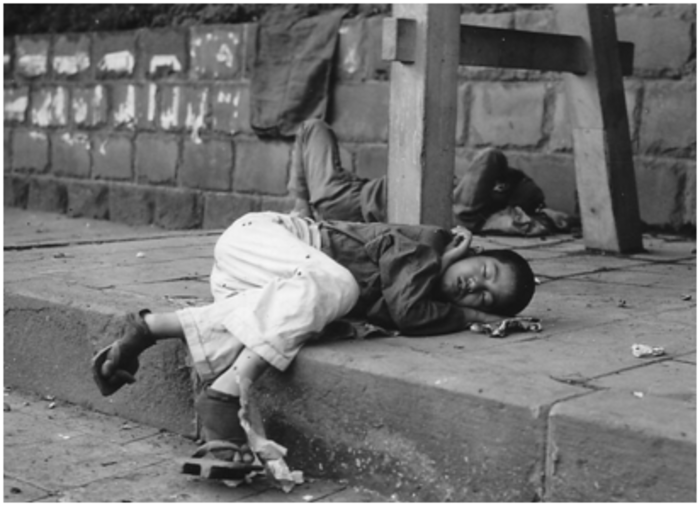
homeless_orphan_in_postwar_tokyo
Homeless orphan in Tokyo. He would have to be determined if he was to survive.

The Japanese civilians were starving, so to speak, and were without question malnourished.

Aunt Michie was no different.  She was hungry like everyone else and likely tired easily due to low nutritional intake and daily physical and emotional demands upon her.  It is important to have an understanding of her condition at this crucial moment in history.

________________________________

2-sadako1
Sadako – taken in early 1948 by my father while on furlough. She would marry a distant cousin (common cultural practice at that time) who was also badly burned in the atomic explosion.  She is wearing clothing my father bought for her at the Tokyo PX.

After the shock and black rain subsided, Aunt Michie’s thoughts immediately went to her treasured family.  According to my cousins, she went into her priceless family rice reserves and cooked real rice for the children.  Sadako, the second oldest, remembers to this day how she savored that bowl of rice, a definite luxury at that time.  While but a child of ten years and filled with anxiety about eating such a fine meal, she saw at that moment her mother’s love and affection for them was unconditional.

Aunt Michie’s thoughts went to the Aramaki family (aunt and uncle’s family) who lived in Hiroshima.  She had no way of knowing that day but they had become direct victims of the atomic bombing.  They had been burned over most of their bodies and had even been trapped under their destroyed house.  They managed to struggle with their searing injuries to Aunt Michie’s house to seek refuge and care.  They had realized that only strong family support would allow them to live.

Grotesquely, the path going over the 300 meter high hill which the relatives traveled became littered with scores of dead people.  Masako said they were unrecognizable lumps of flesh and died where they crumpled.  Many had their clothes burned away.  While thousands were killed instantly, other thousands suffered for days before dying from intense burns, radioactive poisoning and other injuries.  As radiation poisoning was unheard of amongst them, some were told they had dysentery and the like.  Many before dying oozed pus from their ears and blood ran from their noses.  You will not read this in any Western textbook.  In fact, the gruesome information about the days, months and years after August 6th was suppressed for a couple of decades by both governments.

While the dazed and immensely pained adults struggled to Michie’s farm, there were young children of the family unaccounted for(²).  Without hesitation and unbelievably, Aunt Michie – in her weakened state – pulled a two wheel cart over the hill to Hiroshima to look for them.

Over a hill.

大八車
I believe this to be the type of cart Aunt Michie pulled to Hiroshima to look for the unaccounted for children of the family. Kiyoshi called it a 大八車, or large two wheeled wooden cart.

Miraculously and while the details are lost, she found some of them and hauled them back to the farm on the cart, now laden with the additional weight of the children…  on the same road that was further littered with dead and dying people.  Think of the mental anguish Michie had to endure when dying people came up to her and asked for her help…  It would be difficult to not look at them.  It was more difficult to ignore them, I’m sure.

According to my cousins, a total of 23 people got refuge and care at Aunt Michie’s farm.  I understand many were relatives from the Aramaki side of the family.

There were more hurdles for Michie and her children immediately ahead – caring for the injured and dying.

_____________________________

526
You can tell which way this woman was facing when the bomb went off. Her left side is burned. Photo was likely taken after August 6, 1945.
Caring for Victim of Hiroshima Bombing
A mother looks after her child. This photo was also likely taken after August 6, 1945.
Victim of Hiroshima Bombing
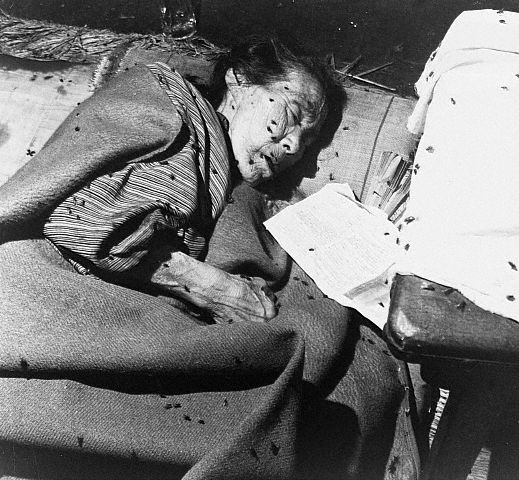
An elderly woman lies dying on the floor covered with flies. Perhaps this is just one of the sickening sights Michie and her children have buried in their conscious.

The preceding photographs may show what Michie and the children were faced with.  And the children were just that – children.

How old are your children, by the way?

The older cousins recall that they, Michie, Mikizo’s parents and the less injured relatives took on a 24 hour a day field hospital of sorts to treat the injured.  It was stifling hot and humid; yet, they had to be given constant attention and there were so many of them.  I cannot imagine how exhausting this task could have been, especially when you are hungry and malnourished yourself.

pattern
Taken sometime after August 6, 1945. The side of her you see is what had faced the atomic explosion. The patterns are from her clothing she wore that day. It was where the dark patterns of her clothing had been in contact with her skin. Masako recalls vividly this type of pattern among the burn victims and that the maggots followed that pattern.

The common injury were burns.  Severe burns…and they had no medicine whatsoever.(³)  No Bactine.  No Motrin.  No aloe.  All Michie could do was to coat the burns with a type of cooking oil and bandage them with pieces of cloth.  She must have endured unlimited anguish in knowing she could not measurably lessen their pain and suffering.  There must have been constant crying and unbearable moans of pain.

And on their hands, blood from human beings.

3-namie1
Namie – taken in early 1948 by my father while on furlough.

Six year old Namie could never forget what she had to do.  Flies were swarming having sensed dying flesh.  Namie was tasked with shooing them away with a fan but they wouldn’t stay away.  And worse yet – time and time again, she had to remove the maggots that were feeding on dead flesh…with chopsticks.  I do not know if I could have done that…but Namie did.

The turmoil that must have stormed inside Aunt Michie to tell her daughters to do what they had to do for the sake of survival…and then to be stern with them and tell them to continue when they wavered or cried…  must have been punishing to her as a loving mother.  She must have wanted to cry.

Aunt Michie was the point woman.

And she fulfilled that role.

Her goal was to get everyone to tomorrow.

_____________________________

To be continued in Part 5….

Notes:

(1) Per my 2012 meeting with Mr. Tsukamoto in Hiroshima, water is the main theme of the Cenotaph at the Peace Park.  Survivors clamored for water.  Where there was well water, many survivors were suffocated as dozens more pressed against them for the precious liquid.  Please see “A 1937 Yearbook, the Atomic Bomb and Hiroshima” for further information and links to their personal story.

(2) The number of unaccounted for children is unclear.

(3) Mr. Tsukamoto recounted how they had to constantly mash yams and place them over their burns to temporarily lessen the pain.  They did that for over a month, he says.

The Pain of Survival and Aunt Michie – Part 3


Japanese-home-defense-training_1945
Japanese women being given “home defense training”. My grandmother on my mother’s side underwent such training on a Tokyo schoolground. 1945.

The Japanese home front had essentially collapsed by 1945.  Instead of focusing on food, supplies, building air raid shelters and organizing orderly evacuations of civilians, Japanese military leadership focused on misleading news reports and propaganda.  Millions fled the cities into safer rural areas(¹) on their own initiative but once there, supplies of daily sustenance was meager.

_______________________

In one’s own life, you are tested.  A good human being will at times prove oneself to be a good brother or sister, son or daughter, friend or life partner.  Some fail.  Some pass.

Aunt Michie was one who passed; her heart led her to care for others before herself.  It is as if she knew being good to others was the way to have a good life.

As an example, US air and naval forces ruled the skies and the seas.  A key staple of the Japanese diet – fish – had been nearly cut off  as fishing boats were attacked once out to sea.  Yet, when Aunt Michie came across sashimi, she traveled hours with Masako in tow to take a precious portion to her brother Suetaro at his army base in Fukuoka:

“…(Masako) remembers a couple of trips (to see Suetaro). It was not easy travel in war-torn Japan.  For one trip, Aunt Michie managed to take sashimi – in this time of little food, it was a tremendous treat and gift. On that trip, Masako remembers her mother stealthily sliding over to Uncle Suetaro the wrapped sashimi. He was being stared at by many of his fellow soldiers – they were not well fed either.  She remembers Uncle slowly turning so that the others could not see and quickly devoured the treat.”

(From Masako and Spam Musubi)

Aunt Michie could have eaten the precious sashimi herself…but didn’t.

___________________________

With her husband taken by the Imperial Japanese Army then dispatched to war in Manchuria, she was burdened with running the farm… still laboring to produce crops only to be taken by the military.  She would get up before sunrise, help prepare meals, tend to the family then toil in the fields.  And when her mother became partially paralyzed and alone in her own home five miles away, Aunt Michie knew she had to take care of her, too.  Michie was the last of her children left in Japan.

My Grandmother Kono – having suffered a stroke – is propped up from behind by Japanese “shiki-futon” for the picture. She would not see her son alive again. Taken in Hiroshima, May 3,1944.

While Michie and Grandmother Kono managed to get part-time care, Aunt Michie still took it upon herself to check in on her stricken mother.  My cousins tell me their mother Aunt Michie would take them along for the ten mile round trip to her Kanemoto family home.

No car.  No bus.  No taxi.  No trains or bicycles.  They had to walk.  After all, it was 1944 and fuel was a huge luxury.  One memory the youngest happily recollect is that they would take turns riding in some kind of baby stroller that Michie would push to Grandmother Kono’s.  Neverthless, it was still a great deal of effort and sacrifice on Michie’s part in any case… and she did this after working in the fields, too.

Masako will eventually end up caring for Grandmother Kono.

___________________________

IMG_5869
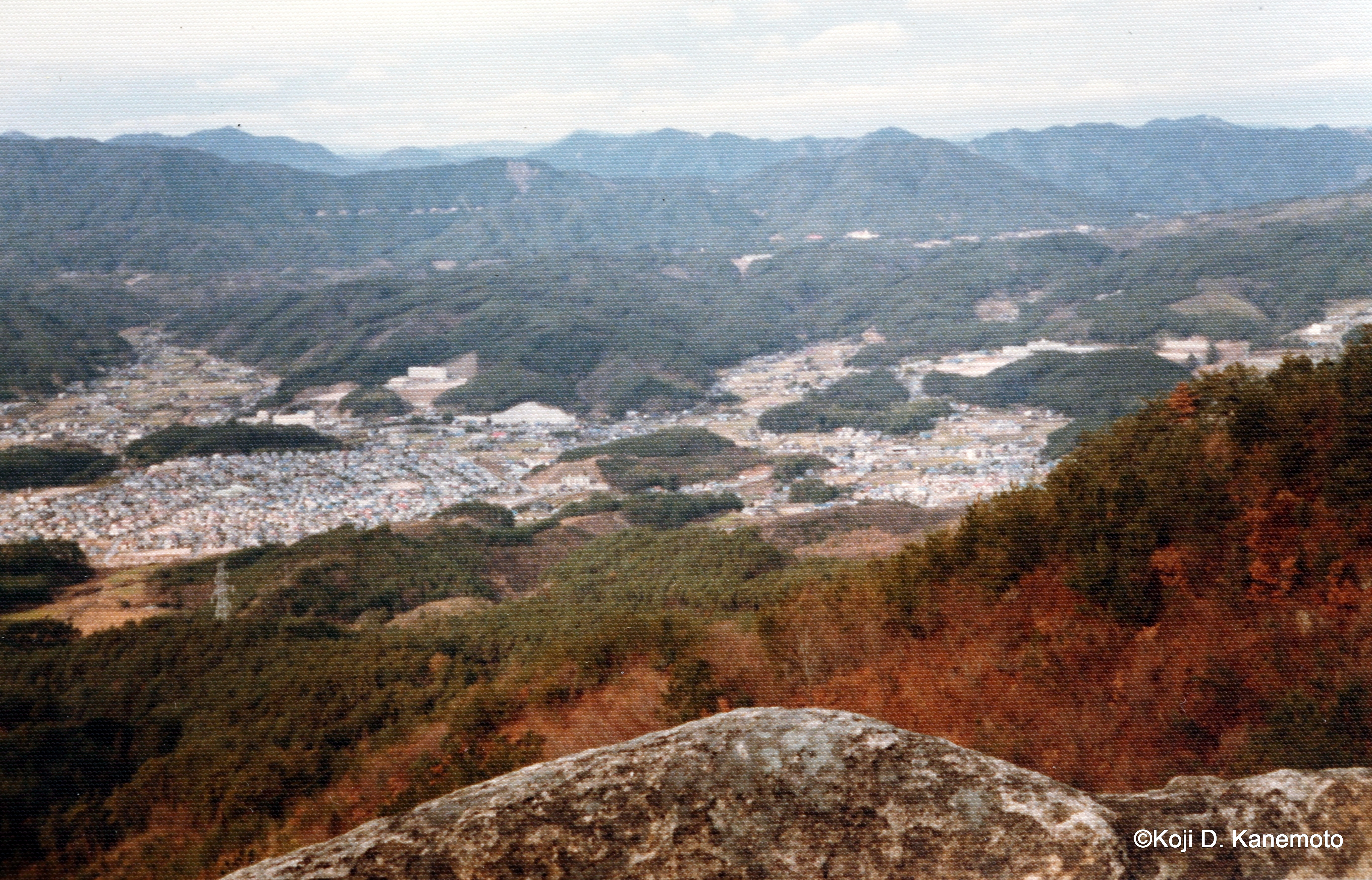
Family photo taken of the town of Tomo about 35 years ago atop the 300 meter tall hill separating it from Hiroshima. Hiroshima is directly behind. This short hill served to partially deflect the atomic bomb’s shockwave. Courtesy of Kiyoshi Aramaki.
IMG_5870
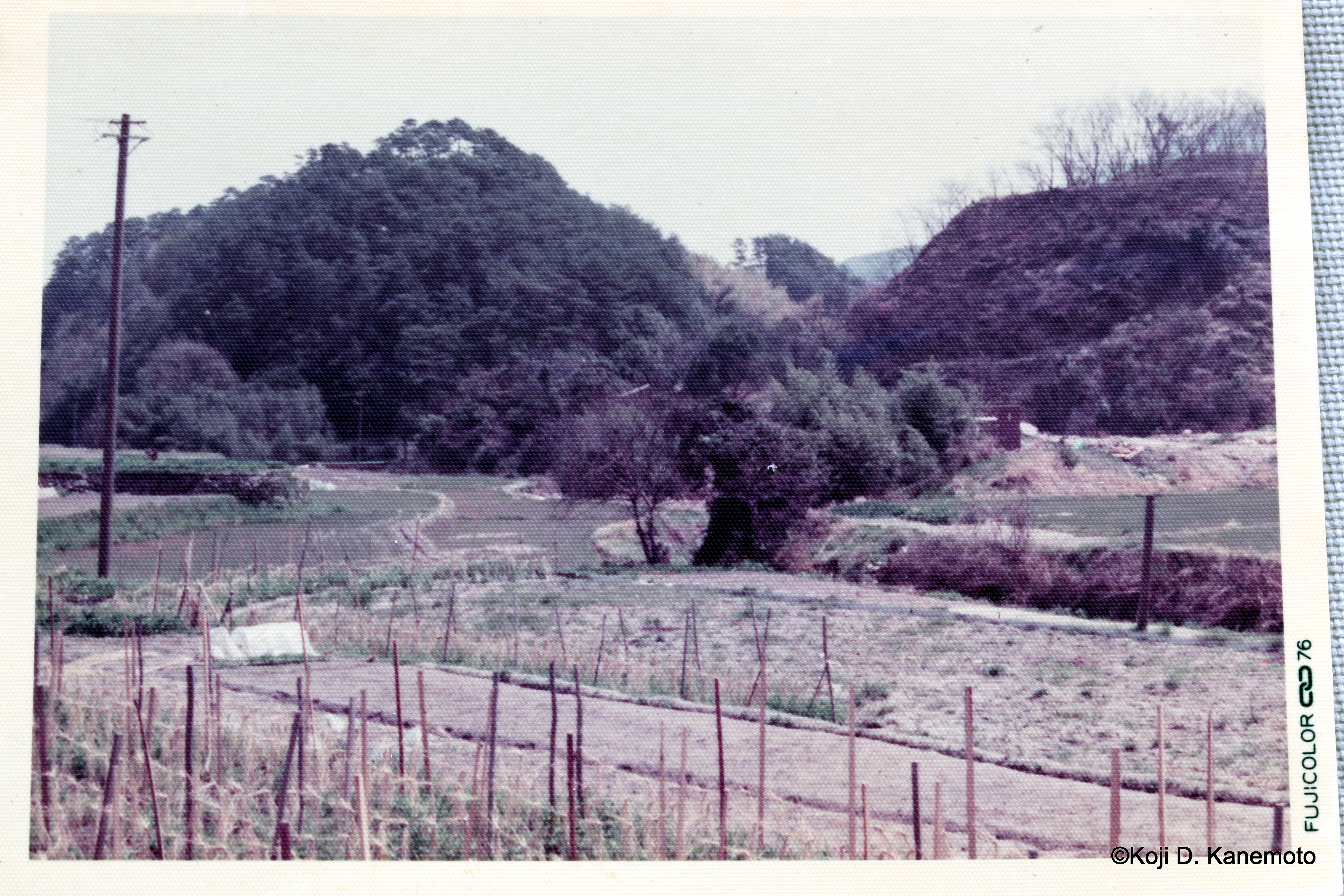
Per Kiyoshi, this was taken from the house and shows some of the field Michie had to cultivate. She was here when the shockwave hit. While the one on the right is no longer there, the family burial plot was between the two small mounds you see here. Courtesy of Kiyoshi Aramaki and dated 1976.

After picking herself off the ground, Aunt Michie saw an evil yet mystifying mushroom cloud slowly rising up beyond the 300 meter tall hill separating her village from Hiroshima proper.  At that instant, she knew her life had taken a wrenching turn for the worse… as if it could get any worse.

I cannot imagine what was going through her mind and heart watching that mushroom cloud rising.  She could not have even dreamed that it was one massive bomb, a couple of kilometers away, that could cause this sort of force and devastation.  It must have defied belief.

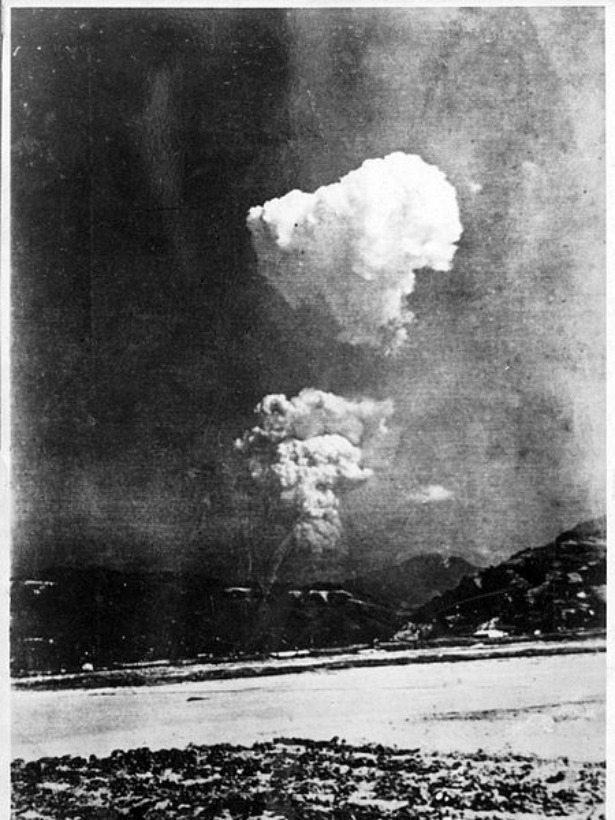
Hiroshima_10
A relatively unseen image of the explosion, taken from a Kataitaichi, six miles east of Hiroshima. Michie was nearly due west and on the other side of the cloud. The cloud would reach 40,000 feet in just four minutes. It would ultimately rise to 60,000 feet. (Horikawa Elementary School)

According to Michie and my cousins, the shockwave blew out all the sliding doors, all the tatami mats were flung and the ceiling was shoved up in the house.  Try to imagine yourself being inside the house.  The same thing happened to Grandmother Kono’s house five miles south (See map in Part 1).

As per their daily air raid drill, they apparently all ran to the air raid shelter in the small hill behind their house.  After about half an hour and with the mushroom cloud still rising, a black, syrupy rain began to fall on them.  According to the cousins, Michie believed that the Americans were dropping oil from space.

She could not have fathomed it was contaminated with over 200 kinds of radioactive isotopes.  We now call it black rain.

IMG_6116
I took this photo of a preserved wall section stained with actual black rain from that fateful day. Hiroshima Peace Museum, November 2013.

Sadako, who was ten years old, clearly remembers their white blouses had turned black from the rain.  No one – absolutely no one – knew that other than staining skin, clothing, and buildings, but that ingesting black rain by breathing and by consumption of contaminated food or water, would lead to radiation poisoning.  Even flowers would bloom in distorted shapes and forms from the radiation.

_______________________________

With the enormity and the suddenness of the brilliant flash of light followed by a shockwave and the swirling mushroom cloud, Michie deep inside knew her world had forever changed.

Horror was to literally come into hand shortly to enforce that foreboding thought.

_______________________________

To be continued in Part 4….

(1) Albeit late, my mother’s family fled to the Fukui Prefecture in early July 1945 to escape the bombing of Tokyo.

A Father-ly Invasion


Imagine being a Marine. You’re in Afghanistan.  You see your buddies getting blown up by the cowardly enemy’s IED or killed after an ambush. Then, after a bitter, maniacal all-out war, their religious leader capitulates.

Now, suddenly, you are standing out in the desert, outside of Fallujah, waiting to go in as part of the “occupying force”. Your feelings and emotions are going amok – anger coupled with fear of the unknown… You will be surrounded by the enemy who also fought the exact same bitter war against you.

USMC
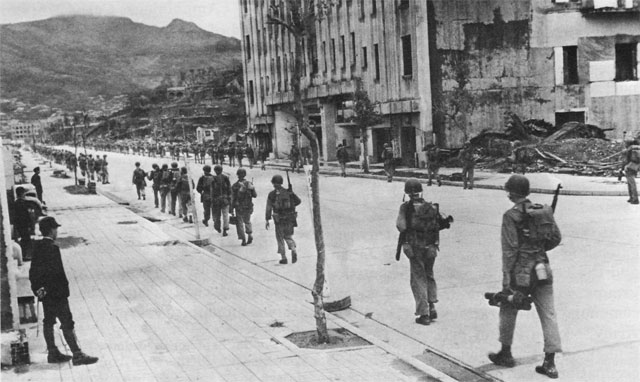
US 26th Marines marching into Sasebo, Japan – August 1945. Notice the Japanese standing to the left and the general absence of civilians.

Now… imagine you are a young Marine on a troop ship off the Japanese coast. It is August 30, 1945. A few weeks earlier, you became acquainted with the term atomic bomb. The Emperor of Japan just capitulated.

You are to go ashore onto the Japanese homeland.  But in this case, you are not wading ashore to occupy a city. You are wading ashore to occupy an entire country.

_______________________

As we now know, the initial “invasion” of Japan by Allied forces ended up being entirely peaceful; no one was killed. Perhaps there was a small incident or two, but I have not read anything to indicate a single shot was fired. How could that be? How could hundreds of thousands of Marines, soldiers and sailors have stormed ashore – under an assault mindset – onto a homeland populated with maniacal military and millions of civilians – and not erupt in combat?

army report 98th

Per a report of the US Army’s 98th Infantry Division dated December 20, 1945:

“The mission assigned the Division was participation in the occupation of Japan; however, due to uncertainty as to the attitude of the people, the real intentions of the Japanese army, and the possibility of treachery or sabotage, the Division was directed to be combat loaded and prepared for any eventuality. Thus planning for the occupation of Japan was based upon an assault landing rather than an administrative movement…”

(Click here to see actual report.)

______________________

There is no single answer. The peaceful invasion was the result of hundreds of contributing influences.

One came from Father Patrick Byrne, a Catholic priest in a country dominated by Buddhism.

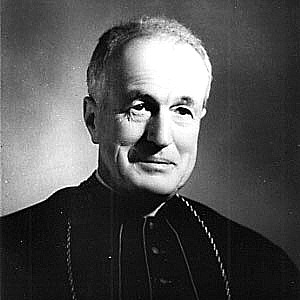
patrick byrne
Father Patrick Byrne. He was elevated to Bishop prior to his death.

Father Byrne had been sent to Kyoto in 1935 to set up a mission. As he was respectful of the peoples, he was put under house arrest (confinement) when war broke out. Of course, it was very harsh. His only companions were a cat and a parrot. Food was poor and scarce, just like it was for the unfortunate civilians.

Per “Escape from Manchuria” by Paul K. Maruyama (USAF, Ret.), he emphasizes the importance of the role fulfilled by Father Byrne immediately after the Emperor broadcast his surrender. Although in very poor health, Father Byrne with the aid of a newspaper reporter and a Father Furuya, hurriedly put together a radio broadcast intended for TWO audiences: (1) one for the Japanese homeland and (2) one for the “invading” Allied forces.

As hordes of civilians were escaping to the countryside, getting from Kyoto to Tokyo in the few available trains was hard but after 15 hours, he made it being escorted by police. He then recorded his speech on or about August 20, 1945, which was re-broadcast many times via radio and shortwave…to the Japanese people and to the countless number of Allied occupying forces staging off-shore.

His radio broadcast:

“The war is over. What can I say first of all to the Japanese people whom I have loved and who love me as a brother for more than 10 years? I share their grief when the Emperor spoke to them and told them that they had fought a good fight but now he wanted them to give up the war and turn to peace. I, an American, speak to you Japanese in the name of those soldiers about to enter your land to assure you that you need to have no fear. They are not coming to the shores as invaders, with tanks, bayonets and bullets, but merely as representatives of their country, taking occupation of Japan to help you once more to reconstruct and build on the new foundation of democracy. The eyes of the world are on this occupying army. You may rest assured they come peaceably.

What can I say to you, the soldiers of my native land, regarding these people? Their feelings will naturally be mixed with emotions as you look up on the victors entering their land, where the homes have been destroyed or burned, their sons and fathers of families killed or maimed and wounded. It is only natural that you look with anger, fear, mistrust, and frustration at your arrival. Should you add to their present feelings by any any ruthless attacks upon the women and young people in this land, I am afraid of what the consequences might be. So I urge you to cooperate with me as I assure the Japanese people that you will commit no degradations, that you would have goodwill and charity in trying to realize what these people, the real victims of the war, have suffered and will not do anything to add to the pain they endure.

You are on trial before the eyes of the world. Any violence or immorality, any unjust or criminal act on your part will not only be a stain on your character but on that the nation you represent.

I believe I may assure you people of Japan that the army chaplains would do everything they can to remind our soldiers of their moral responsibility. The Military Police, too, will carefully protect your interests and will arrest anyone found violating the law. If there seems to be any violation of this protection which is your due, I have been assured by the Archbishop of Tokyo that he will appeal to the Holy Father in Rome who in turn will make known to the whole world by radio and the press any form of injustice. Freedom of the press in the United States will cooperate so that such news will not be suppressed.

I am not afraid because I know these Americans and trust them, but I can understand the fears of the Japanese people. Soldiers coming into Japan, I strongly urge you to come with kind hearts and be good friends of these people. You have fought hard and want a victory. I know you want to enjoy it and want to be proud of it, but please try to understand the distress of the Japanese and make your behavior calm and warm as representatives of a great nation. Perhaps after two or three months, they will begin to understand you better, and then I think there will come an intimate friendship between you and them.”

________________________

The Allied Forces – with the words of Father Bryne questioned in many soldiers’ minds as to intent – stormed ashore on August 30, 1945 on many beaches all around Japan. Once ashore, they were largely astonished to learn over the next few hours the truth in Father Byrne’s words.

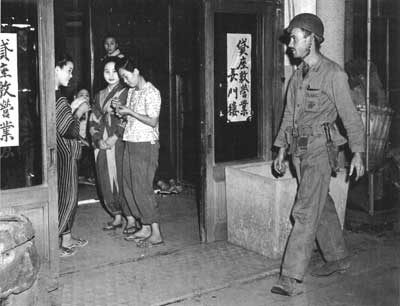
fig16
A Marine walks past young Japanese women on a routine patrol.  Thousands of vials of poison were distributed to thousands of young girls in preparation for the “invasion”. (USMC Photo)

________________________

According to “Escape from Manchuria”, Father Byrne made a recovery back in the United States after the war and was elevated to Bishop when he was sent to Korea in 1947. In 1950, he was captured by the North Koreans and once again was subjected to horrifying treatment and captivity before being put on the Korean War equivalent of the Bataan Death March.

He fell ill during the march in freezing conditions and when he could not continue, he was taken to a shack. There, on a frozen floor and without any warmth, he passed away on November 20, 1950 at a place called Ha Chang Ri, North Korea.

(Note: Edited Feb. 2, 2014.  For some reason, the photo of Father Patrick Bryne had been removed.)

America


My best to you, America, for the New Year.

Image

“Old Man Jack-ism” #4


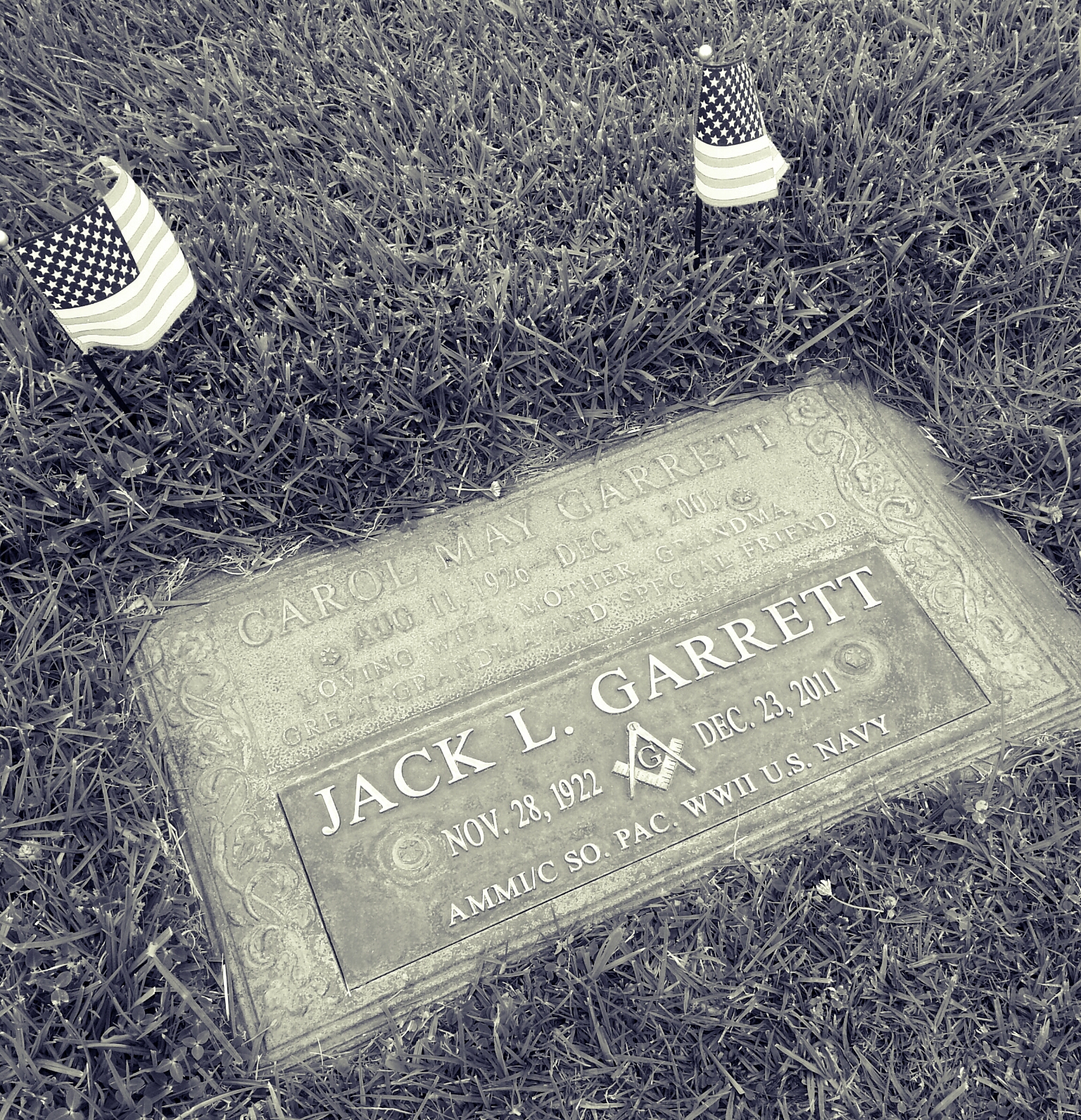
Day after tomorrow – two years ago – Old Man Jack left us. He would be free of his nightmares of war which plagued him nightly for seventy years. While it is self-serving to reblog your own story, I am reblogging this for the sake of men like him who gave away their youth to serve in hell. People today need to KNOW and REMEMBER.  I regret the huge majority of Americans today are ignorant of what people had to do so that we can enjoy – and complain – of what we have today.
Rest in peace, Jack. I will try to visit you today to say hi.

Mustang.Koji's avatarMasako and Spam Musubi

“Koji, don’t let anyone tell you different.  War makes good boys do crazy things.”

That was the first time Old Man Jack shared something with me about the war in a voice of unfeigned remorse.  In turn, it was one of my first journeys in his time machine in which he allowed me to ride along.

Front row seats.  Free of charge.

It was in 2002 to the best of my recollection.  It was just before my littlest firecracker was born.

__________________________

KA-BAR.  If you are a World War II US Marine who served on “those stinkin’ islands”, there is no explanation necessary.

A KA-BAR was a Marine’s most prized personal possession.  It was always at their side.

They opened their C-rations with it.  Dug foxholes with it.  Chopped coconut logs with it.  Hammered nails with it.  Indestructible.

Most importantly, for killing.  Designed for slashing and stabbing.  Desperate hand-to-hand combat.  To the death.

The KA-BAR…

View original post 472 more words

Unbelievable Stoopidity


Image

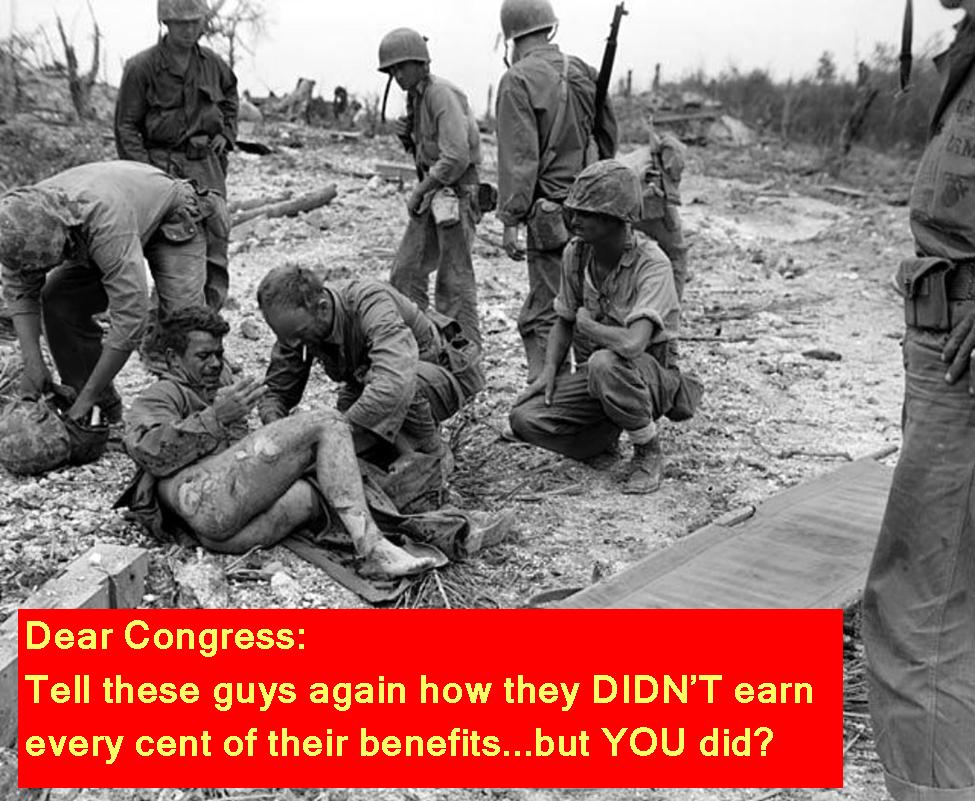
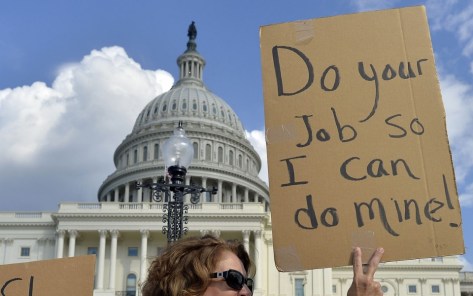
I wish I was the only citizen voting ‘cuz it’ll be sayonara for you idiots in Congress.

CNN: Is There Something Missing Here?


Image

Soap box time.

Not that I have the time.

But I am upset.

CNN.  When will you TRULY report facts to us citizens as a nation?

Here is your website right now.  The morning of October 22, 2013.  Please look at it.

Where is your factual coverage of the Obamacare fiasco?  Please tell us Americans as a nation who is signing UP for Obamacare…and who is NOT… and how MANY… and tell us Americans what the deductibles are for the most basic “affordable” insurance plans.  I heard it was TEN THOUSAND DOLLARS.  That’s just for starters.  Oh.  By the way…  my military buddy (with a wife and baby) just got his pay docked for another $200 for an increase in health insurance premiums…and this is after his pay was CUT during the Sequester.  Report on that, please.

Where is your factual coverage of the Benghazi coverup?  Have you forgotten about it?  While I feel terrible about the teacher that was slain and reported on your webpage above, what about the unpursued murders of FOUR other Americans?  Actually, I feel there are three distinct venues of coverup here that you fail to report on: (1) the failure to protect our four Benghazi friends who are now dead; (2) a concerted, planned release of information to blame the attack on a then recently released anti-Muslim MOVIE, and (3) the White House’s blatant refusal to inform the American public where their President was during the terrorist attack.  (Whew.  A bit long-winded here.  Sorry.  Getting upset does that to me.)  Let’s remember to report on the intimidation of the officials and whistleblowers who know of the Benghazi facts under Hillary, OK?

Where is your coverage on the IRS targeting of conservative or pro-Israel groups prior to Obama’s re-election?  Odd, isn’t it?  Why aren’t you raising a stink about why it occurred, who ordered it, whether there was any White House involvement or coverup and whether there was an initial effort to hide who knew about the targeting and when?  And to have the big IRS lady boss plead the FIFTH?  My gawd.  Why, CNN?

And… please don’t forget the IRS mailed $4.2 billion in child-credit checks to “undocumented immigrants” during the same period!

Where is your coverage of (you-dropped-it-off-the-radar screen) President Obama “exercising” Executive Privilege to protect Holder and the “Operation Fast and Furious” gun-running fiasco?  Are you afraid of harming President Obama or his supporters?  Please remember you made a BIG thing out of the unfortunate death of a kid “who could have been (his) son” – but don’t seem to care about the Federal agent who was killed by one of those Fast and Furious guns?  Wow.

Lastly…

Where is your story on Medicare, Medicaid, or Social Security being “out of funds”…  but NEVER welfare?  I feel that is important.  Just how can these issues NOT receive proper coverage, CNN?  They are IMMENSELY important to MANY Americans.  Please report on this… objectively.  But I’m sure you don’t hear me.

_______________________________

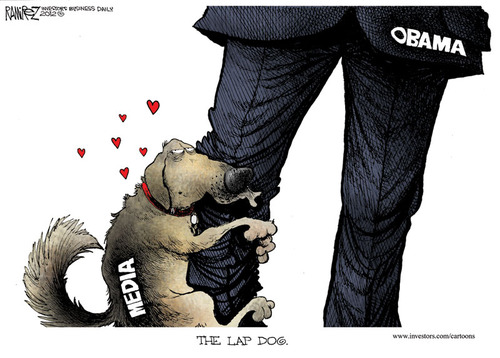
dog oba2

But succinctly, Obamacare has been funded.  Big businesses and those with influence have been exempted from it.  America’s debt ceiling has been raised again.  (Please remember, welfare never runs out of money but Medicare and Social Security does.)  And most of all, the actions of EVERYONE in Washington has served to decrease our faith in our elected leaders.  We all suffered to some extent…but did they stop paying themselves?  And consider that even if they put themselves under Obamacare, it is superficial; they will always pass laws to exempt themselves eventually.  Their insurance plan is the greatest…and we pay for it with the (now increased) national debt.

That sucks.

____________________________________________

My purpose was but to express my views on the state of affairs affecting our great country… and the growing divide fueled by one-sided media.    I am one of those but luckily turn to our blogs for facts or viewpoints.  Are we heading into an internet-based civil war?  As certainly as America has a gadzillion more issues unmentioned here, there are those whose views are surely very unlike mine…

Please express your views, too, and kindly.

But perhaps, one “growing” unifying view is…  our elected officials are not well liked.

🙂

Thanks for reading.

Dear Mama – A Farewell Letter


image0-012
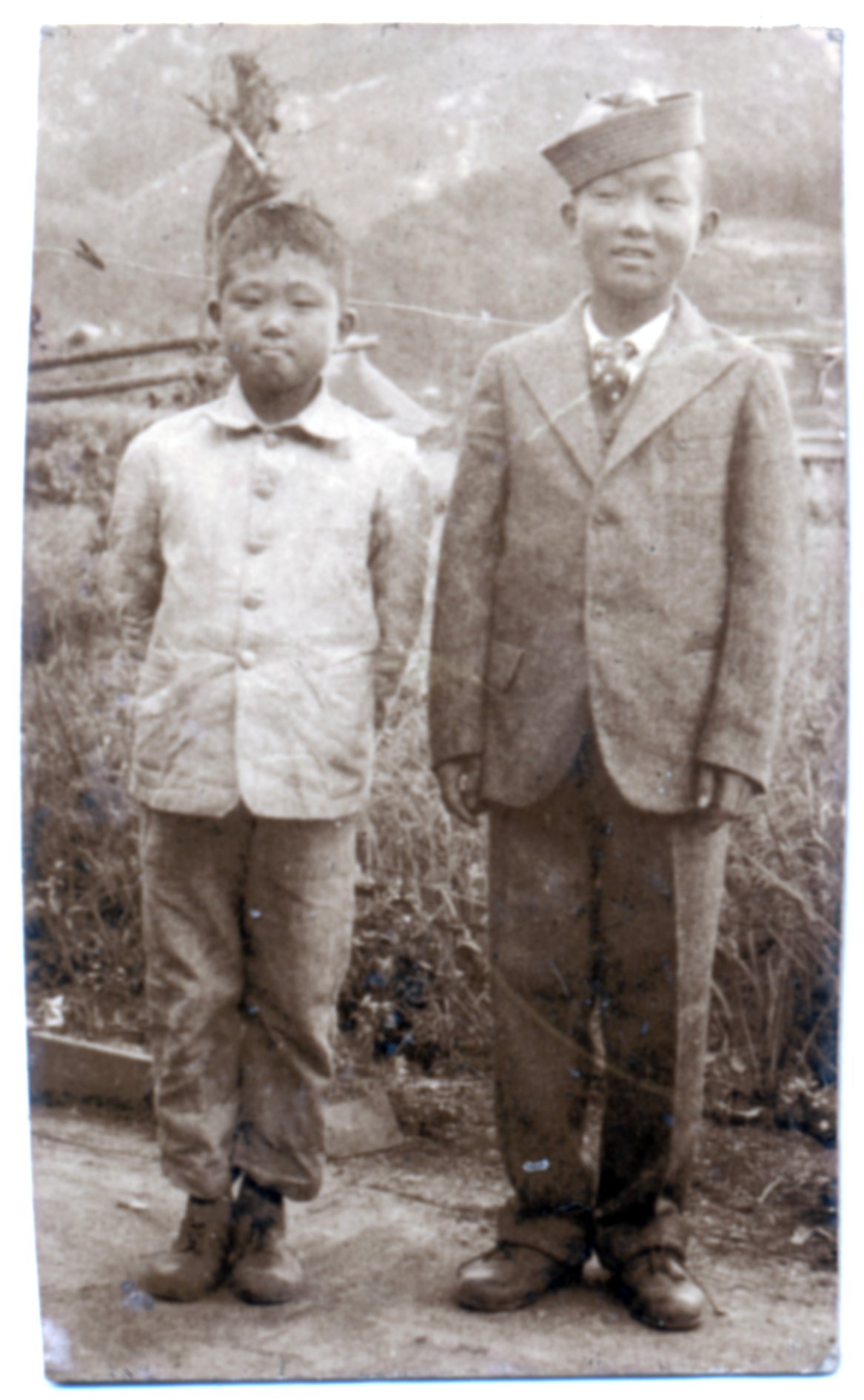
Uncle Suetaro (L) and my dad (R). Taken from the Hiroshima house with Mt. Suzugamine in background. Circa 1929

During my visit to my father’s childhood home in Hiroshima last summer, I was entrusted with hundreds of vintage family photos and mementos.  I brought them back here stateside, promising my Hiroshima family I would “restore” them.

Well, after a good start, I developed a painful case “tennis elbow” from using the mouse so much during the retouching process.  Sadly, it came to a screeching halt sometime in November last year.

But one very, very special item was entrusted with me – my Uncle Suetaro’s war diary.

Although born an American citizen in Seattle with the rest of his siblings, he was writing this war diary as a sergeant in the Japanese Imperial Army.

The last entry was a farewell letter to his Mother.

______________________________

The photo above had been secreted away behind another photo that was in Uncle Suetaro’s album.  He meticulously kept the album up to the time of war.  His oldest brother, my Uncle Yutaka, had conscientiously sent him family photos they had taken in Chicago and Los Angeles before imprisonment.  Suetaro complimented the photos with his beautiful Japanese calligraphy, written in a silver, whitish ink.

20131007_183754

The photo of Uncle Suetaro and my dad shown at the beginning was so very tiny – but there was something Uncle Suetaro loved about it to keep it.  I wish I knew what it was.

IMG_0451
Actual size

__________________________________

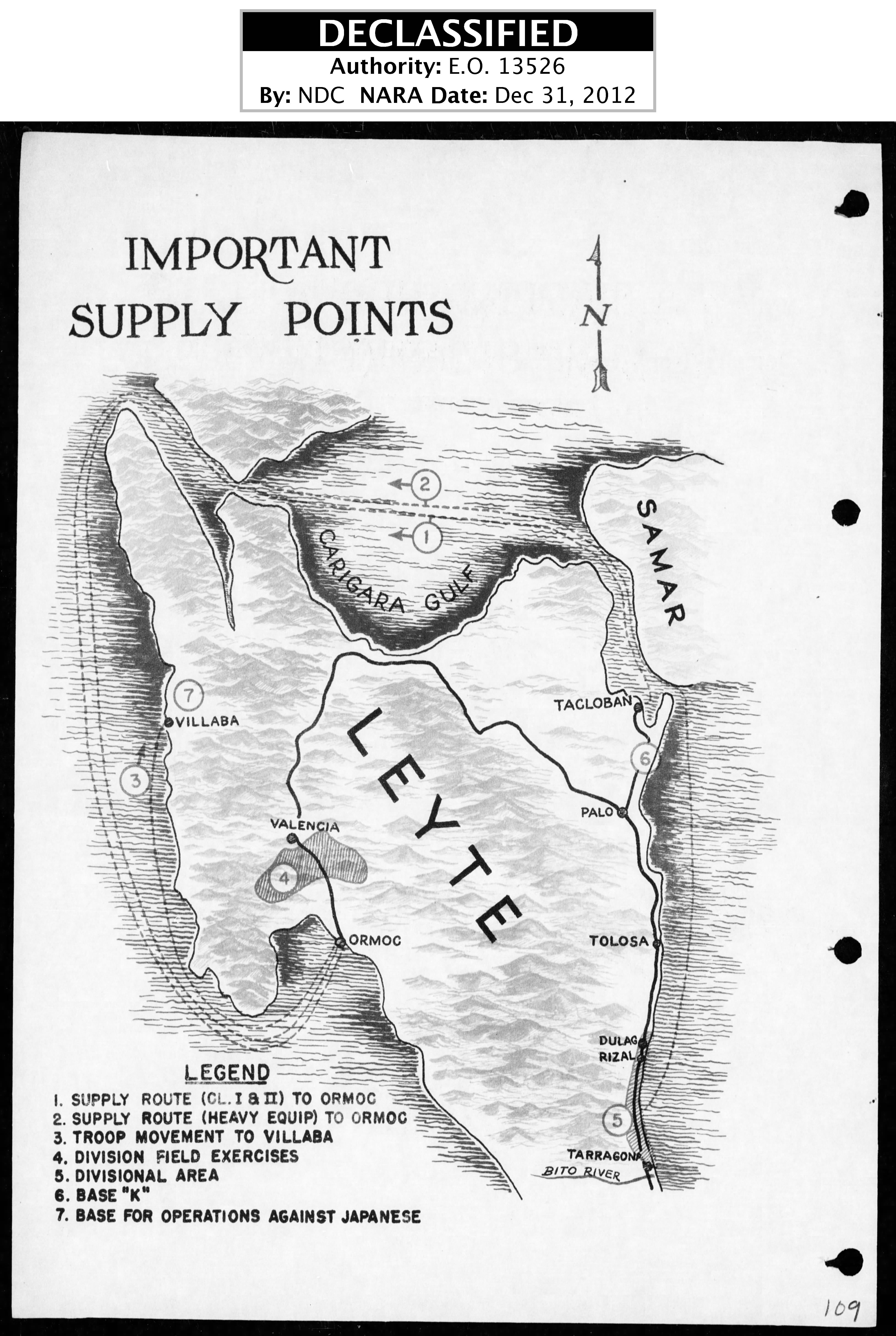
Uncle Suetaro was killed as a sergeant major of the Japanese Imperial Army on Leyte apparently near a town called “Villaba”.  Below is an actual page from a “war diary”, an official report written and published by the US Army.  Villaba is located on the western shore of Leyte but not far from Ormoc Bay, which was a killing field for Japanese ships by US aircraft.

Page 109
Source: US Army 81st Infantry Division Headquarters / Report of Operations

His remains were never recovered.  In the family grave are his tiny pieces of his fingernails and a lock of hair.  It was custom at that time to leave parts of your earthly body with your family as returning was unlikely.

Not much to bury… but it was better than not returning at all.

In a spiritualistic way, he had never left.

____________________________________

This is his farewell letter to his Mother (my Grandmother).

It is clear it was very hurriedly written.

With the help of my cousin Kiyoshi in Hiroshima and my dad, we’ve typed up Uncle Suetaro’s farewell letter – complete with old Japanese characters and translated as best possible into English.  When reading this, please remember these are the words as written as a soldier going off to fight the Americans – but he was once a young American boy born in Seattle, WA.

image0-038_originalhigh
Cover. His name is at the bottom.
金本 末太郎
image0-034_original
ママ様
Dear Mama,
御無沙汰致しました。
I am sorry for not writing for a while.
お元気ですか。 自分も相変わらず元気旺盛御奉公致しております故、何卒ご放念く
ださい。
How are you? As usual, I am full of life fulfilling my duty to my country so please feel at ease.
(元気で国のために力を尽くしてるので心配しないでください)
愈(いよいよ)自分も日本男子としてこの世に生を受け、初陣に臨むことを喜んでいます.
More and more, as I realize I was born into this world as a Japanese male, I am overjoyed to be going into my first combat.
勿論(もちろん)生還を期してはいません(生きて帰ることは思ってはいません)。
Of course, I do not expect to come back alive.
image0-035_original
併せ(しかしながら)自分に何事があっても決して驚かないように、また決して力を
落とさないよう平素より力強く暮らしてください。
And for you, Mother, whatever happens, do not be taken by surprise and please fight back with even more energy than you normally would.
24年の長いあいだスネかじりにて非常にご心配をかけ誠にすいませんでした。
I deeply apologize for these 24 years of worry and concern I have caused you.
お赦し下さい(おゆるし下さい)。
Please forgive me.
今の時局は日本が起つか亡びるかの境です。
At this time, Japan is at the boundary of either winning or perishing.
どうしてもやり抜かねばいけないのです。
We must persevere.
兄さん達を救い出すことも夢見てます。
I still dream that we can free our older brothers (from forced imprisonment in America by FDR – Ed.).
自分のことは決して心配せずお体をくれぐれも気をつけて無理をしないよう長生きを
してください。
Please do not worry about me but instead, please take it easy on yourself and live a long life.

(Note: Green indicates an edit inserted for clarification purposes.)

image0-036_original
何事あっても荒槇、小林の方に相談して下さい。
If something comes up, please discuss it with the Kobayashis or Aramakis.
金本家は絶対に倒してはいけないのです。
No matter what, do not allow the Kanemoto name be extinguished.
伴の兄さんもお召の日が必ずあることと思います。
Mikizou-san will also be drafted.
(荒槇幹造さんも必ず徴兵されることと思う)
歳はとっていても軍隊に入れば初年兵です。一年生です。
Although he is much older in age, he will be treated like any other draftee. As a young recruit.
絶対服従を旨とするようよく言って下さい。
Implore upon him to obey every command without question.
近所の皆さん、河野,倉本、白井、武田、永井、正覚寺、梶田、山城、山根、杉本、
辻、河野…、橋本,西本、松本繁人、小林、中本、新宅、武蔵、水入、土井、堀田、住岡、見崎、長尾、加藤、三好、内藤、島本、(Writing continues next page from here) 宮本先生、谷口先生、慶雲寺などの人によろしくよろしくお伝えください。
image0-037_original
ではこれにて失礼します。
With that, I will say farewell.
何時までも何時までもお達者のほどお祈り致しております。
I pray for all eternity for your good health and prosperity.
南無阿弥陀仏の御6文字と共に行きます。
I go blessed with the six realms of Namu Amida Butsu.
サヨウナラ
Sayonara
昭和19年5月3日
May 3, 1944
末太郎より   ママ様へ
From Suetaro To Mama-san

His farewell send-off is pictured below.  Masako-san believes Suetaro wrote the letter around this time.  It was at gatherings such as this when a Japanese soldier was given a “good luck” battle flag – the ones that many WWII combat veterans “removed from the battlefield” as souvenirs.  There are many cases now where their sons and daughters – or grandchildren – are making efforts to return such flags to the Japanese families.

One of the treasures found during our journey to the family home in Hiroshima this month. Uncle Suetaro is going to war and his death.
Uncle Suetaro (center) is pictured just before going off to war and his death.  You will notice my grandmother is missing from the photo; that is because she suffered her first stroke knowing her last son was going to his death.

_______________________________________

Bertrand Russell wrote, “War does not determine who is right – only who is left.”

He is correct.

On a much smaller scale, though, Grandmother Kono was all who was left in that house when war’s end came.  Her precious son Suetaro – who she kept from returning to America for the purpose of keeping the Kanemoto name going – was dead.  She was now alone.  I wonder how she felt.

A mother’s anguished solitude.

image1-007retouched
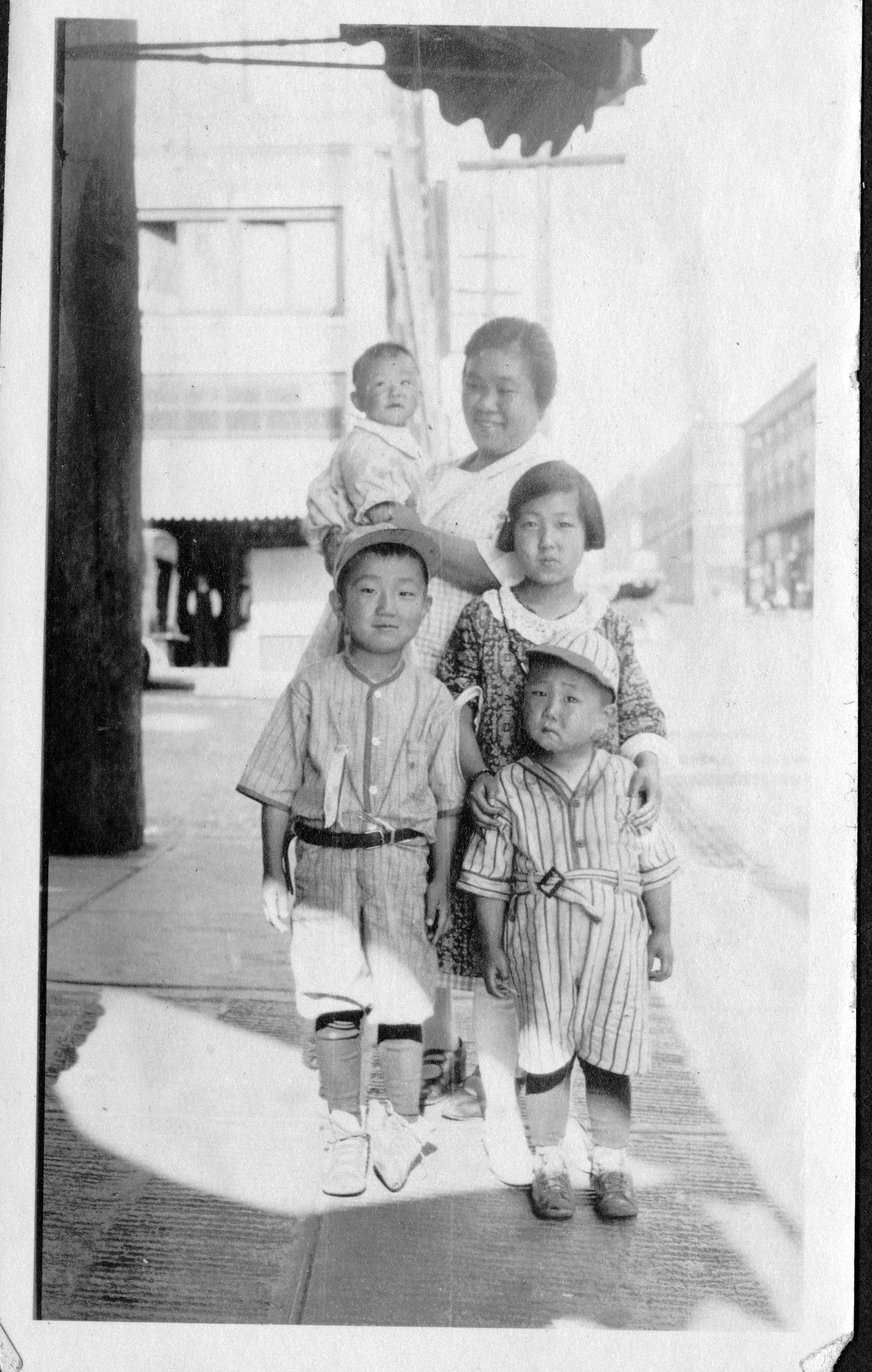
Grandma and four youngest children at the corner of King and Maynard in Seattle, circa 1926. From clockwise right-front: Suetaro, dad, Mieko, Grandmother Kono and Shizue.

(For other related stories:

A Mother’s Anguished Solitude, Part I

A Mother’s Anguished Solitude, Part II

Were Japanese Soldier’s Frightened?

Wordless Post


Wordless Post
Photo credit: Jewel Samad/AFP/Getty Images

Weekly Photo Challenge: Inside


PicsArt_1371399451167

Inside my heart is sadness… But that sadness is happily interrupted by great respect and smiles of good times gone by…

https://p47koji.wordpress.com/2012/05/28/two-old-men-and-a-fathers-day-anguish-2/